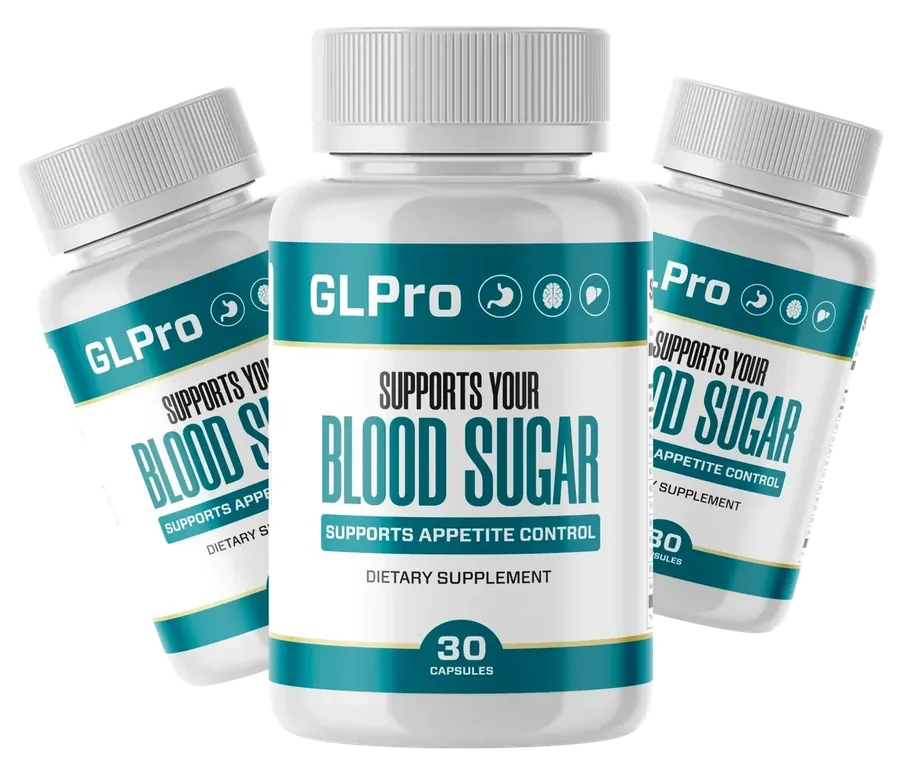
Category education
Cinnamon for Blood Sugar: What Studies Show, and Is It in GLPro?
Cinnamon for blood sugar has weak, inconsistent evidence. A Cochrane review of 10 trials found too little proof to support it, and a later pooled analysis saw fasting glucose about 10 mg/dL lower with no clear A1C change. Cinnamon is not confirmed in GLPro, whose ingredient list is not published. Cassia cinnamon carries coumarin, a liver concern.
Written by the GLPro label deskUpdated
01The basics
What is cinnamon, and why is it sold for blood sugar?
Cinnamon is the dried inner bark of Cinnamomum trees, sold as a kitchen spice and as capsules of powder or extract. Two kinds dominate the shelves: cassia, the common, darker type, and Ceylon, often sold as "true cinnamon".
It turns up on blood sugar labels because a few small early trials reported lower fasting glucose in type 2 diabetes. Larger reviews since then have been far less certain.
Spice jar or capsule?
Most trials used cassia powder in capsules, about 2 grams a day on average (Cochrane, cinnamon for diabetes). Supplement labels may list powder, a water extract or a blend, and those are not the same dose. Read the form and the milligrams on any label before you compare it with a study.
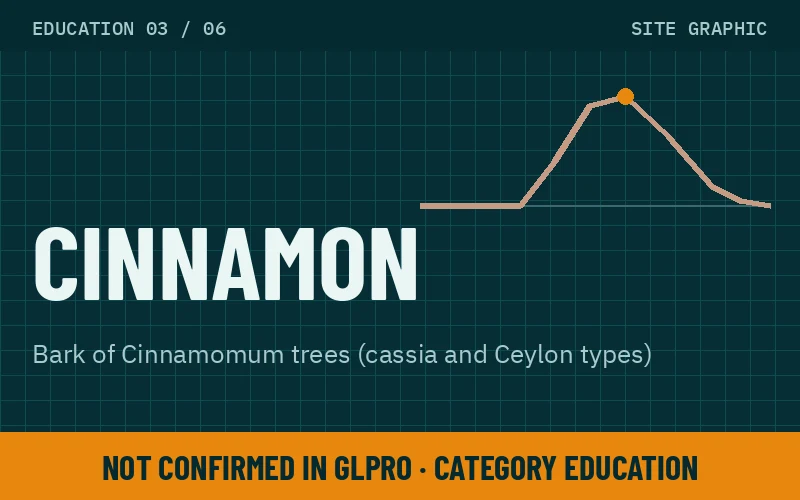
02GLPro label
Is cinnamon in GLPro?
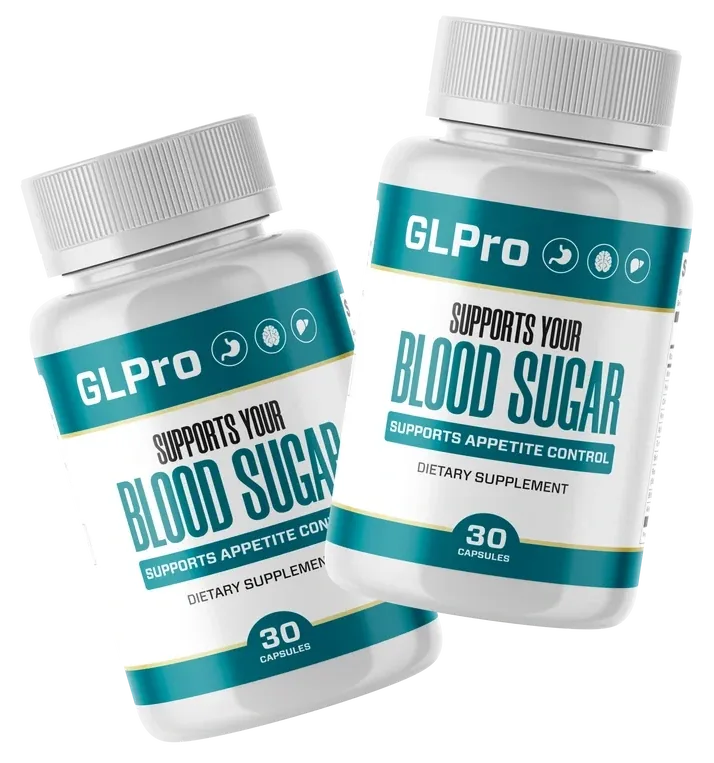
Cinnamon is not confirmed in GLPro: GLPro's ingredient list is not published. The sales page describes a "proprietary blend of natural ingredients" and names nothing inside it (GLPro sales page). No published image shows the back of the bottle.
Some websites print ingredient lists for GLPro. They do not come from the brand, so we treat them as unverified. Cinnamon gets a profile on this site because it is common in blood sugar products, not because we know it is in this one.
| What it is | Bark of Cinnamomum trees (cassia and Ceylon types) |
|---|---|
| In GLPro? | Not confirmed. GLPro's ingredient list is not published, so it can be neither confirmed nor ruled out. |
| Studied for | Fasting glucose and A1C in type 1 and type 2 diabetes |
| Strength of evidence | Inconclusive; a Cochrane review found too little evidence to support it |
| Main caution | Cassia cinnamon contains coumarin, which may worsen liver disease |
For what is known about the GLPro formula itself, read GLPro ingredients and the label check.
03Evidence
Does cinnamon help blood sugar in people with diabetes?
Not in any reliable way that research has confirmed. A Cochrane review pooled 10 randomized trials with 577 people and found the effect on fasting glucose inconclusive (Cochrane, cinnamon for diabetes). It found no clear difference in A1C, insulin or after-meal glucose.
A 2019 meta-analysis of 16 trials reported fasting glucose about 0.55 mmol/L lower, roughly 10 mg/dL, than placebo (Deyno 2019, cinnamon meta-analysis). Yet A1C, the longer-term measure, did not change in a meaningful way. The results also varied hugely from study to study.
| Review | Trials and people | Fasting glucose | A1C |
|---|---|---|---|
| Cochrane, 2012 | 10 trials, 577 people; mostly cassia, about 2 g a day, 4 to 16 weeks | Inconclusive | No significant difference |
| Meta-analysis, 2019 | 16 trials in type 2 diabetes and prediabetes | About 10 mg/dL lower than placebo | No significant change |
The Cochrane authors judged most trials at high or unclear risk of bias. The 2019 team called for larger, standardized trials. The American Diabetes Association names cinnamon among the spices it does not recommend for glycemic benefit (ADA Standards of Care 2026, Health Behaviors).
04In context
What would a 10 mg/dL drop mean?
A 10 mg/dL average drop in fasting glucose is small, and it did not show up as a better A1C. A1C reflects about three months of blood sugar and is the number doctors lean on for diagnosis and treatment.
Put it next to the cutoffs: prediabetes runs from 100 to 125 mg/dL fasting (NIDDK, Diabetes Tests & Diagnosis). An average shift of 10 points in mixed trials does not tell you what would happen to your own reading.
Track your own lab results with the cutoffs in blood sugar basics.
05Cassia vs Ceylon
What is the difference between cassia and Ceylon cinnamon?
Cassia and Ceylon come from different Cinnamomum species, and the main safety difference is coumarin. Cassia contains coumarin, a natural compound that may harm the liver or worsen liver disease (NCCIH, Diabetes and Dietary Supplements). Ceylon is generally reported to hold far less.
Most blood sugar trials used cassia (Cochrane, cinnamon for diabetes). So the type with the most research is also the type with the bigger coumarin question.
Cassia
Darker, thicker bark; the usual supermarket spice. The type used in most trials.
Ceylon
Lighter, papery layers; often labelled "true cinnamon". Less studied for blood sugar.
A label that says only "cinnamon" may not tell you which kind it is. Ask the maker, or pick a product that names the species.
GLPro: from $49 a bottle30 capsules · 2, 3 or 6 bottles · free US shipping on 6 · 60-day money-back guarantee
See packs06Safety
Is it safe to take cinnamon capsules every day?
Cinnamon in food amounts is safe for most people, but daily capsules raise two questions: coumarin and your medicines. Coumarin in cassia may worsen liver disease (NCCIH, Diabetes and Dietary Supplements), and capsules deliver far more than a sprinkle on oatmeal.
If you take diabetes medicine, ask before adding any product sold for blood sugar. People on insulin or a sulfonylurea already have a higher risk of lows (Mayo Clinic, diabetic hypoglycemia). Keep taking prescribed medicine on its schedule; a spice capsule is never a swap for it.
Tell your doctor about every supplement before surgery, since some affect bleeding or anesthesia (NCCIH, Using Supplements Wisely). The six questions below flag who should ask first.
07Reading labels
How do you check a cinnamon dose on a supplement label?
Look for the Supplement Facts panel, which must name each dietary ingredient and its amount (FDA, Supplement Facts and proprietary blends). Inside a proprietary blend, only the total weight of the blend is required, not each part (21 CFR 101.36, supplement labeling).
Find the name and form
Cassia, Ceylon, powder or extract. An extract ratio means the gram figure is not comparable with powder.
Find the amount
Compare it with the roughly 2 grams a day most trials used.
Show your pharmacist
Bring the bottle if you take any daily medicine.
With GLPro, the panel is not published online, so these steps start when the bottle arrives. Compare cinnamon with chromium's evidence for a similar pattern.
08More profiles
Which other blood sugar ingredients are profiled on this site?
Six common blood sugar supplement ingredients each have a profile here, with the trials, the doses studied and the main caution. None is confirmed in GLPro, because GLPro's list is not published.
09FAQ
Cinnamon questions
Q01Does GLPro contain cinnamon?
That is not confirmed. GLPro's ingredient list has not been published; the sales page mentions only a proprietary blend of natural ingredients. Lists online that include cinnamon do not come from the brand. Read the back panel of your bottle, which is the only place that can answer it.
Q02How much cinnamon did blood sugar studies use?
The trials in the Cochrane review used about 2 grams a day on average, mostly cassia, for 4 to 16 weeks. Doses and forms varied widely, and no amount has been shown to improve A1C. A trial dose is not a recommended daily target for you.
Q03Is cassia cinnamon bad for your liver?
Cassia contains coumarin, which may worsen liver disease, so people with liver problems should ask a doctor before taking cassia capsules. Normal kitchen use is a much smaller amount than a daily supplement. Ceylon cinnamon is generally reported to contain far less coumarin.
Q04Is Ceylon cinnamon better for blood sugar than cassia?
No study shows that. Most blood sugar trials used cassia, so Ceylon has even less research behind it. Its main advantage is lower coumarin, which matters for the liver. Neither type is recommended by the American Diabetes Association for glycemic benefit, whichever one you choose.
Q05Can cinnamon replace metformin?
No. No trial supports using cinnamon in place of any diabetes medicine, and the American Diabetes Association does not recommend it for blood sugar. Keep every prescribed medicine on schedule, and ask your doctor before adding a supplement so lows can be watched for.
Q06Is cinnamon tea or a spoonful in food enough to matter?
Cooking amounts are pleasant and generally safe, but no reliable study shows they change A1C. Trials used measured capsules of about 2 grams, and even those gave inconclusive results. Enjoy it as flavor rather than counting on it for your numbers.
10Who wrote this
Written and reviewed by
Pages built from the bottle images, the sales page and linked NIH, FDA, CDC, FTC and peer-reviewed sources.
Last updated . Read our editorial standards and how we check reviews. This website is run by a U.S. stocking partner for GLPro, not by the manufacturer. We earn money when you buy through our order links.
→Keep reading
More about GLPro
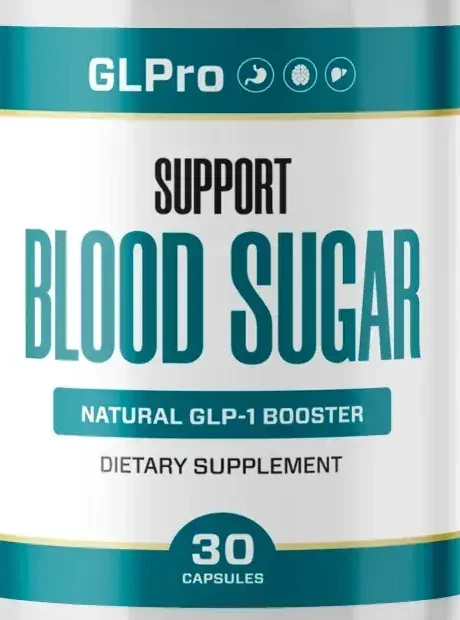
U.S. stocking partner for GLPro
Ready to try GLPro?
Check your medicines first, then pick a pack. Six bottles ship free and cost the least per bottle, and every pack carries the 60-day money-back guarantee.
- Secure checkout
- 60-day money-back guarantee
- Ships from the U.S.