Category education
Alpha-lipoic acid for Blood Sugar: What Studies Show, and Is It in GLPro?
Alpha-lipoic acid for blood sugar has mixed evidence. A 2018 pooled analysis of 20 trials in 1,245 people saw small drops in fasting glucose and A1C, yet a 2019 review found it no better than placebo. It is not confirmed in GLPro, because GLPro's ingredient list is not published. Ask first if you use diabetes medicine.
Written by the GLPro label deskUpdated
01The basics
What is alpha-lipoic acid?
Alpha-lipoic acid is a small sulfur compound that your own cells make. It helps enzymes inside mitochondria turn food into usable energy. It also works as an antioxidant in lab tests.
Your body makes enough for those jobs. Supplements sell it in far larger doses, often hundreds of milligrams a capsule.
You may also see it called lipoic acid, thioctic acid or ALA. That last short name is a trap: ALA also stands for alpha-linolenic acid, an omega-3 fat from flax. The two are unrelated, so read the full name on any label.
Why it shows up on blood sugar labels
Early lab work linked lipoic acid to the way muscle cells take in glucose. That idea led to human trials in people with type 2 diabetes and other metabolic problems. The results since then have been uneven. It is also sold for nerve comfort in diabetes; our sources cover glucose, not nerves, so we make no nerve claim, and numb or burning feet need a doctor's exam.
02GLPro label
Is alpha-lipoic acid in GLPro?
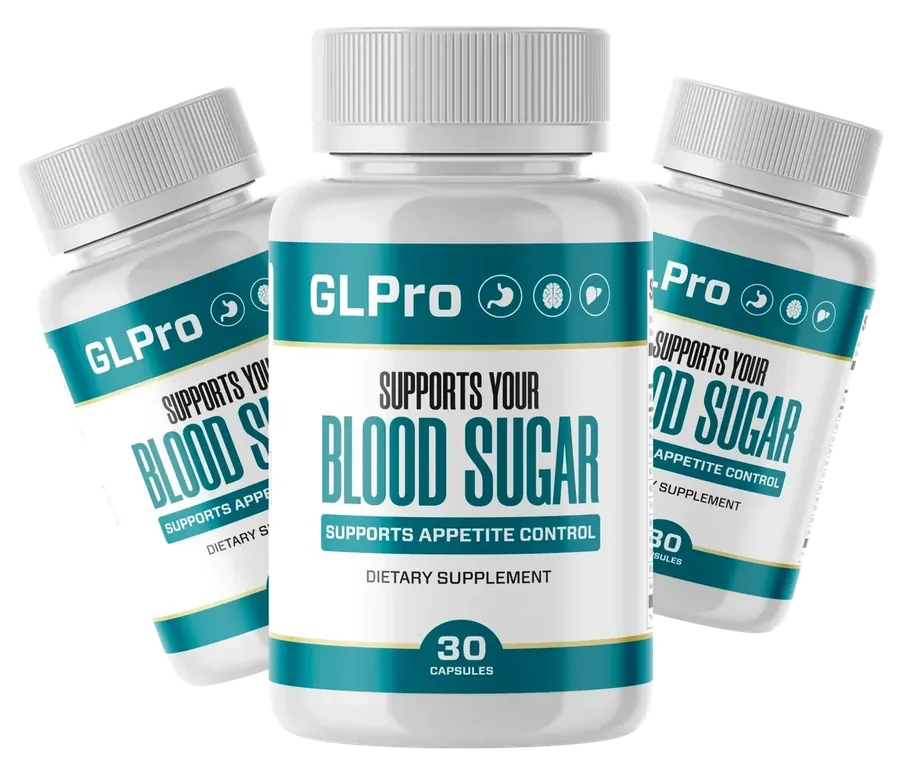
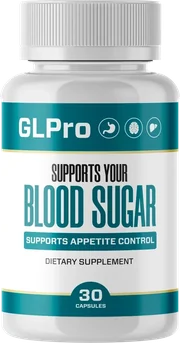
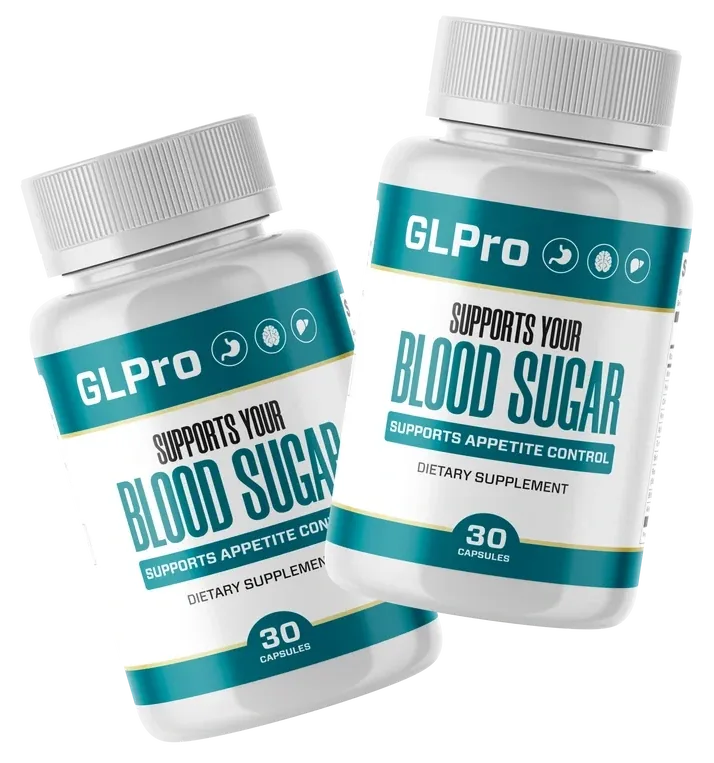
Alpha-lipoic acid is not confirmed in GLPro, and it is not ruled out either. GLPro's ingredient list is not published. The sales page says only "proprietary blend of natural ingredients" and shows no Supplement Facts panel (GLPro sales page).
So treat any website list that puts this compound inside GLPro as unverified. We profile it because it is common in blood sugar products, not because we know what GLPro holds. When your bottle arrives, the back panel is the only place that can answer the question.
| What it is | A sulfur compound the body makes; an antioxidant |
|---|---|
| In GLPro? | Not confirmed. GLPro's ingredient list is not published, so it can be neither confirmed nor ruled out. |
| Studied for | Fasting glucose, insulin resistance and A1C in metabolic disorders |
| Strength of evidence | Mixed; one review of 20 trials saw small drops, a 2019 review found it no better than placebo |
| Main caution | A possible low blood sugar risk when added to insulin or diabetes pills |
For what is and is not known about the formula itself, see GLPro ingredients.
03Evidence
Does alpha lipoic acid for blood sugar have good evidence?
No, the evidence for alpha lipoic acid for blood sugar is mixed, not strong. Pooled trials point one way, and a careful single trial points the other.
The largest pooled analysis combined 20 randomized trials with 1,245 adults who had metabolic disorders. Doses ran from 200 to 1,800 mg a day for two weeks up to a year. On average, fasting glucose, fasting insulin, insulin resistance and A1C came out a little lower than with the comparison (Linus Pauling Institute, Lipoic Acid).
Then a 102-person trial gave 600 mg a day for 16 weeks and found no change in fasting glucose or insulin (Linus Pauling Institute, Lipoic Acid). A 2019 review that federal researchers summarize found the compound no better than placebo for blood sugar (NCCIH, Diabetes and Dietary Supplements).
| Study | Who and how much | What it found |
|---|---|---|
| 2018 meta-analysis, 20 trials | 1,245 adults with metabolic disorders; 200-1,800 mg a day; 2 weeks to 1 year | Small average drops in fasting glucose, insulin, insulin resistance and A1C |
| Single randomized trial | 102 people; 600 mg a day; 16 weeks | No effect on fasting glucose or insulin |
| 2019 review (NCCIH summary) | Pooled controlled studies | No better than placebo for blood sugar |
Why the split? The trials mixed very different patients, ran for short spells and used varied doses, so small averages can look larger than they are. The American Diabetes Association does not advise antioxidant or herbal supplements for glucose control (ADA Standards of Care 2026, Health Behaviors). Compare chromium's evidence, which has the same pattern.
04Insulin
Can alpha-lipoic acid help insulin resistance?
Maybe a little, on paper. The 2018 pooled analysis reported a lower insulin resistance score, often written HOMA-IR, across its 20 trials (Linus Pauling Institute, Lipoic Acid). That score is a lab estimate built from fasting glucose and fasting insulin.
A lower score in a study is not the same as a felt change in daily life. The drop was small, the trials differed a lot, and the 16-week trial saw nothing. Insulin resistance responds far more clearly to steady activity, sleep and weight change.
- Ask for a fasting glucose or A1C test if insulin resistance worries you.
- Use the numbers in blood sugar basics, not how you feel.
GLPro: from $49 a bottle30 capsules · 2, 3 or 6 bottles · free US shipping on 6 · 60-day money-back guarantee
See packs05Doses
How much alpha-lipoic acid did the trials use?
The trials used between 200 and 1,800 mg of alpha-lipoic acid a day. The 102-person trial used 600 mg a day, a common amount on retail labels (Linus Pauling Institute, Lipoic Acid). No dose has been shown to work for blood sugar.
A trial dose is a research setting, not a safe daily target. Higher doses were given to people under watch, often for weeks, not years.
Find the amount
A full label gives milligrams per serving. A proprietary blend may show only the total weight of the blend.
Compare it
Set that number next to the 200 to 1,800 mg range from the trials, then ask how long people took it.
Ask first
Show the label to your pharmacist if you take any medicine that lowers glucose.
Federal rules require each dietary ingredient to be named on the Supplement Facts panel, and a blend must list its parts by weight order (FDA, Supplement Facts and proprietary blends). Our supplement facts guide walks through a panel line by line.
06Safety
Can alpha-lipoic acid cause low blood sugar with diabetes medicines?
Yes, a low is a possible risk when it is added to insulin or diabetes pills. Researchers describe that risk as theoretical and advise close glucose checks if it joins a diabetes plan (Linus Pauling Institute, Lipoic Acid). People on insulin or a sulfonylurea such as glipizide already carry a higher risk of lows (Mayo Clinic, diabetic hypoglycemia).
A low usually means a reading below 70 mg/dL. Treat it with 15 to 20 grams of fast-acting carbohydrate and recheck after 15 minutes (NIDDK, Low Blood Glucose). Keep taking prescribed medicine on its schedule; never cut a dose to make room for a supplement.
LOW BLOOD SUGAR
Signs of a low (hypoglycemia)
- Shaking, sweating, hungerOften the first signs
- Racing heartbeat, dizzinessSit down; check if you can
- Irritability, trouble concentratingCan come on fast
- Confusion, trouble seeing or speakingTreat at once
THE NUMBERS DOCTORS USE
What the test results mean
- A1CBelow 5.7% normal · 5.7-6.4% prediabetes · 6.5% or above diabetes
- Fasting glucose99 mg/dL or below normal · 100-125 prediabetes · 126 or above diabetes
- 2-hour glucose test139 mg/dL or below normal · 140-199 prediabetes · 200 or above diabetes
- A low, for many people with diabetesBelow 70 mg/dL
Emergency?A severe low (passing out or a seizure) needs glucagon and a 911 call. For a mild low, take 15 to 20 grams of fast-acting carbohydrate and recheck after 15 minutes.
Signs and steps from NIDDK and Mayo Clinic (NIDDK, Low Blood Glucose) (Mayo Clinic, diabetic hypoglycemia); test cutoffs for non-pregnant adults from NIDDK and CDC (NIDDK, Diabetes Tests & Diagnosis) (CDC, Diabetes Testing). Lows are most likely with insulin, a sulfonylurea or more than one diabetes medicine; some supplements may add to the effect (NIH ODS, Chromium) (NCCIH, Diabetes and Dietary Supplements). Keep taking prescribed medicine.
Tell your doctor and pharmacist about every supplement, and stop taking it well before planned surgery if your care team says so (NCCIH, Using Supplements Wisely). Many products have not been tested in pregnancy or nursing. Our guide to supplements and diabetes medicines covers the drug classes most linked to lows.
07More profiles
Which other blood sugar ingredients have profiles here?
Six common blood sugar supplement ingredients have their own profile pages on this site. Each one sets out the trials, the doses studied and the main caution in plain words.
None of them is confirmed in GLPro, because GLPro's list is not published. Use them to read any label, including the one on your bottle.
08FAQ
Alpha-lipoic acid questions
Q01Is alpha-lipoic acid an ingredient in GLPro?
It is not confirmed. GLPro's ingredient list has not been published, and the sales page names no ingredients at all. Online lists that include alpha-lipoic acid do not come from the brand. Read the back panel of the bottle you receive to see what it actually holds.
Q02What is a typical alpha-lipoic acid dose in blood sugar trials?
Trials gave between 200 and 1,800 mg a day, for anywhere from two weeks to one year. One well-known trial used 600 mg a day for 16 weeks and saw no change in fasting glucose. No single dose has been proven to improve blood sugar.
Q03Is it safe to take alpha-lipoic acid with metformin or insulin?
Ask your doctor first. Researchers note a possible risk of low blood sugar when it is added to insulin or oral diabetes medicines, and they advise closer glucose checks. Bring the exact product to your pharmacist so the amount per capsule can be reviewed.
Q04How long does alpha-lipoic acid take to show a change in A1C?
Nobody can promise a change. A1C reflects about three months of blood sugar, so trials shorter than that say little about it. The pooled trials ran from two weeks to a year, and results were small and inconsistent from study to study.
Q05Is alpha-lipoic acid the same as ALA in flaxseed?
No. The flaxseed ALA is alpha-linolenic acid, an omega-3 fat. Alpha-lipoic acid is a sulfur compound used in energy production. Labels sometimes use the same short form for both, so read the full ingredient name before you buy or compare.
Q06Does the ADA recommend alpha-lipoic acid for diabetes?
No. The American Diabetes Association's 2026 standards do not recommend routine antioxidant supplements, and they find the evidence too weak for herbal or micronutrient products for glucose control. Supplements are generally not advised without a documented deficiency. Ask your care team before adding any antioxidant product to a diabetes plan.
09Who wrote this
Written and reviewed by
Pages built from the bottle images, the sales page and linked NIH, FDA, CDC, FTC and peer-reviewed sources.
Last updated . Read our editorial standards and how we check reviews. This website is run by a U.S. stocking partner for GLPro, not by the manufacturer. We earn money when you buy through our order links.
→Keep reading
More about GLPro

U.S. stocking partner for GLPro
Ready to try GLPro?
Check your medicines first, then pick a pack. Six bottles ship free and cost the least per bottle, and every pack carries the 60-day money-back guarantee.
- Secure checkout
- 60-day money-back guarantee
- Ships from the U.S.