Guide · Appetite
Appetite Control Supplements and Fullness: Hunger Hormones and What Helps
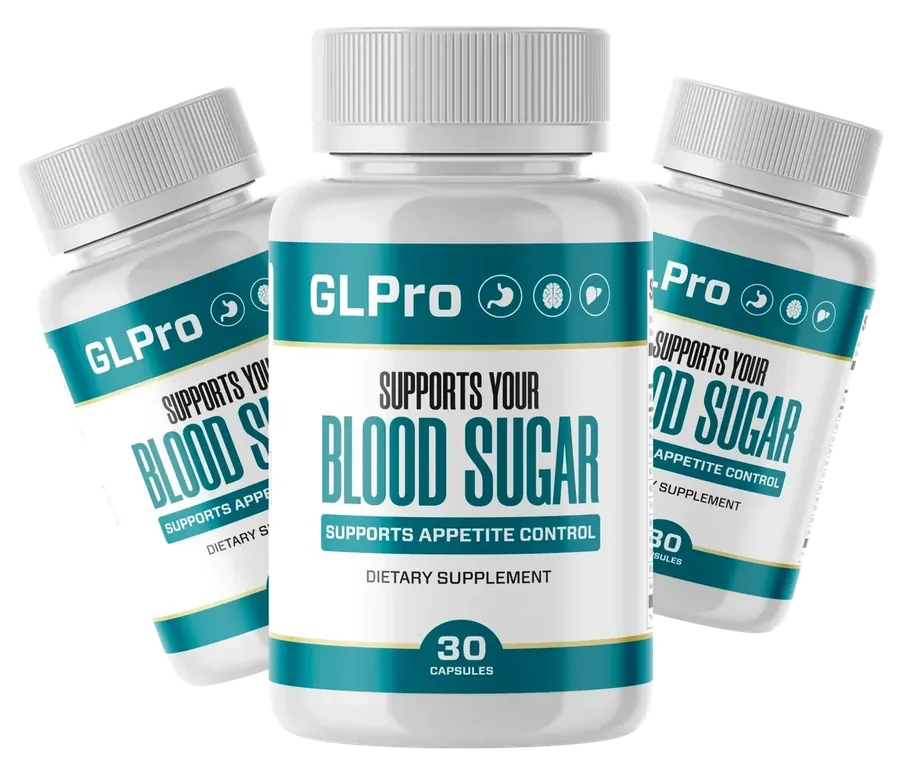
Appetite control supplements are products sold to help you feel full or eat less, and none has strong proof behind it. The GLPro bottle reads "Supports Appetite Control", yet no study of GLPro exists and its ingredients are not published. Fiber, protein, sleep and steady meals have clearer support. Adults need 25 to 35 grams of fiber a day, and most get about 15.
Written by the GLPro label deskUpdated
01Basics
What is the difference between hunger, appetite and fullness?
Hunger is the body's signal that it needs fuel. It builds slowly, and almost any food will settle it. A growling stomach, low energy or a headache late in the morning are typical signs.
Appetite is the wish to eat, and it can show up without hunger at all. A smell, a habit or stress can switch it on.
Fullness, which researchers call satiety, is the signal that ends a meal and keeps the next one at bay.
Hunger
A physical need. Rises a few hours after eating and eases with any food.
Appetite
A desire to eat. Cued by sight, smell, routine, mood or boredom.
Fullness
The stop signal. Shaped by meal size, fiber, protein, water and gut hormones.
02Hormones
Which hunger hormones control appetite?
Several hormones share the job of controlling appetite, and none works alone. Some come from the stomach and gut, one comes from body fat, and the brain sorts all of their messages together.
GLP-1 is the one most people now know by name. Gut cells release it only when food is present. It prompts insulin release, briefly slows how fast the stomach empties and adds to the sense of fullness (NIDDK, GLP-1 story of discovery) (Cleveland Clinic, GLP-1 agonists). It also breaks down within minutes, which is why the body makes it fresh with each meal.
Prescription GLP-1 medicines copy this hormone and act on brain areas that govern appetite (NIDDK, Rx obesity medicines). That is a drug effect, measured in trials, and no capsule has been shown to copy it.
| Signal | Where it comes from | What it does |
|---|---|---|
| Ghrelin | Mostly the stomach | Rises before usual mealtimes and drives hunger; falls after eating |
| GLP-1 | Cells in the small intestine | Released with food; helps insulin release, slows stomach emptying, adds to fullness |
| Leptin | Fat tissue | A slower, long-range signal about energy stores |
Our GLP-1 guide separates the hormone from the medicines and from supplements that borrow the name.
03The claim
What does "Supports Appetite Control" on the GLPro bottle mean?
"Supports Appetite Control" is a marketing line printed on the front of the GLPro bottle. It is a structure/function statement, the kind of wording a supplement may use without FDA review, as long as it makes no disease claim (21 CFR 101.93, structure/function claims).
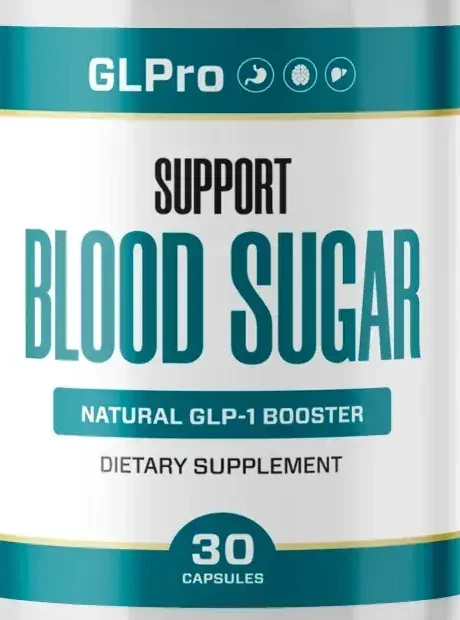
The line does not say how much, how fast or in whom. The sales page cites no study, and it lists no ingredients, only a "proprietary blend of natural ingredients" (GLPro sales page). So nobody outside the company can match the claim to any research.
How to read a claim like this
- Look for the amount of each ingredient on the back panel.
- Ask which human trial backs the words, and how many people took part.
- Expect the standard FDA disclaimer near the claim.
Our claims vs evidence page sets every GLPro claim next to what we could find.

04Evidence
Do appetite control supplements work?
Appetite control supplements have weak evidence at best. The ones that have been tested in trials tend to show small or no effects on weight, and many products on sale have never been tested at all.
Glucomannan, a fiber from konjac root, is a common example. A pooled analysis of 8 randomized trials found no significant weight difference from placebo. A later network analysis saw a loss of about 1.4 kg, with low-certainty evidence (Onakpoya 2014, glucomannan and weight). Psyllium, another fiber, lowered fasting glucose in people treated for type 2 diabetes, but showed no glucose effect in people with normal readings (Gibb 2015, psyllium and glycemic control).
There is a safety side too: FDA lab tests have found hidden drugs, such as sibutramine, in products sold as weight-loss supplements (FDA, FATZorb hidden drugs).
Named ingredients, an amount for each, a human trial of that amount, and a company you can contact. GLPro does not yet pass the first two, because its label is not published.
05Fiber
How does fiber help you feel full?
Fiber helps you feel full by adding bulk and slowing digestion. Soluble fiber forms a gel in the gut, which may ease hunger and soften sharp rises in blood sugar after meals (Harvard Nutrition Source, Fiber).
Adults need at least 25 to 35 grams of fiber a day, and most Americans get about 15 (Harvard Nutrition Source, Fiber). Closing that gap with beans, lentils, oats, vegetables, fruit and whole grains does more than any single powder. Fiber powders can help people who fall short, but they do not replace high-fiber food.
Build up slowly and drink more water as you go.
- Half: non-starchy vegetablesSalad greens, broccoli, peppers, green beans, tomatoes
- A quarter: lean proteinFish, chicken, eggs, beans, tofu
- A quarter: carbohydrate foodsWhole grains, starchy vegetables, fruit, dairy
- To drink: water or a zero-calorie drinkNot juice or regular soda
A simple way to build a meal, often called the plate method. Carbohydrates usually move blood sugar the most, and portion size and food combinations matter (Mayo Clinic, lifestyle and blood sugar); vegetables add fiber, which slows digestion (Harvard Nutrition Source, Fiber). It works with or without any supplement.
GLPro: from $49 a bottle30 capsules · 2, 3 or 6 bottles · free US shipping on 6 · 60-day money-back guarantee
See packs06Protein
Does protein keep you full longer?
Yes, for many people a meal with a fair share of protein feels more filling than the same amount of food built on refined starch. Protein digests more slowly, and it pairs well with fiber at the same meal.
A quarter of the plate is a simple target. Eggs, fish, beans, tofu and yogurt all count. People with kidney disease should ask their doctor before raising protein, because their limit may differ.
- A breakfast of eggs or yogurt often holds better than toast and juice alone.
- A handful of nuts beats a vending machine run at 4 p.m.
07Sleep
Can poor sleep make you hungrier?
Yes, short sleep tends to raise hunger and cravings the next day, often for sweet and starchy foods. Tired people also have less patience for planning meals.
Sleep loss affects blood sugar too. In lab studies, four to five nights of too little sleep cut insulin sensitivity by roughly 25 to 30 percent. Short sleepers also had about 40 percent higher risk of developing diabetes in long-term studies (NIDDK, impact of poor sleep).
- Aim for 7 to 8 hours, at a steady bedtime.
- Stop caffeine by early afternoon.
- Loud snoring and daytime sleepiness are worth a doctor's visit; sleep apnea is common in type 2 diabetes (NIDDK, impact of poor sleep).
Our guide to blood sugar, energy and focus covers other causes of low energy.
08Weight
Can GLPro help with weight loss?
No study shows that GLPro helps with weight loss. The sales page calls it "The Unique Solution That Improve Healthy Glucose Levels and Natural Weight Loss", but it cites no trial and names no ingredient (GLPro sales page).
A realistic pace for weight loss is about 1 to 2 pounds a week. People who lose weight at that pace are more likely to keep it off (CDC, Steps for Losing Weight).
Prescription weight medicines are a separate, medical choice, considered for a BMI of 30 or more, or 27 or more with a related condition (NIDDK, Rx obesity medicines).
Keep taking prescribed medicine exactly as directed, and ask your prescriber before adding any appetite product. Our guide to supplements and diabetes medicines explains why lows are the main risk.
09Your bottle
How should you judge an appetite supplement label?
Judge an appetite supplement label by what it lets you check. A full Supplement Facts panel names each dietary ingredient with its amount, and a proprietary blend must at least give its total weight and list its parts by weight (FDA, Supplement Facts and proprietary blends).
GLPro's panel has not been published, so the bottle you receive is the only place to look.
Read the back
Look for "Supplement Facts", a serving size and named ingredients.
Find the amounts
Compare each one with the amounts used in trials, if any exist.
Show your pharmacist
Bring the bottle if you take any daily medicine.
Our GLPro label check walks through a panel line by line, with eight yes-or-no questions.
10FAQ
Appetite and fullness questions
Q01Does GLPro suppress appetite?
No study shows that it does. The bottle front says "Supports Appetite Control", but the sales page cites no trial and lists no ingredients, so the claim cannot be checked. If hunger or eating habits worry you, a doctor or dietitian can help you find the cause and a plan that fits.
Q02How much fiber do you need to feel full?
Adults need at least 25 to 35 grams of fiber a day, and most Americans get about 15. There is no exact amount that guarantees fullness. Spread fiber across meals, add it slowly over a couple of weeks and drink more water as you increase it.
Q03Is glucomannan an effective appetite suppressant?
The evidence is weak. A pooled analysis of 8 randomized trials found no significant weight difference between glucomannan and placebo. A larger later analysis saw a small loss of about 1.4 kg, rated low certainty. Side effects included bloating, diarrhea and constipation, so take it with plenty of water.
Q04What foods help you feel full between meals?
Foods high in fiber, protein or water tend to hold you longest. Beans, lentils, oats, vegetables, fruit, eggs, yogurt and fish are good examples. Pairing a fiber food with a protein food at the same meal usually works better than either one alone.
Q05Does GLP-1 make you feel full?
Yes, it adds to fullness. GLP-1 is a hormone the gut makes when food arrives. It helps the pancreas release insulin, briefly slows stomach emptying and signals fullness, then breaks down within minutes. Prescription GLP-1 medicines copy it at doses and durations far beyond what a meal produces.
Q06Why am I always hungry even after eating?
Common reasons include small or low-fiber meals, too little protein, short sleep, stress, dehydration and some medicines. Constant hunger with thirst, frequent urination or weight loss can be a sign of high blood sugar, so ask a doctor for a checkup and a blood test.
11Who wrote this
Written and reviewed by
Pages built from the bottle images, the sales page and linked NIH, FDA, CDC, FTC and peer-reviewed sources.
Last updated . Read our editorial standards and how we check reviews. This website is run by a U.S. stocking partner for GLPro, not by the manufacturer. We earn money when you buy through our order links.
→Keep reading
More about GLPro

U.S. stocking partner for GLPro
Ready to try GLPro?
Check your medicines first, then pick a pack. Six bottles ship free and cost the least per bottle, and every pack carries the 60-day money-back guarantee.
- Secure checkout
- 60-day money-back guarantee
- Ships from the U.S.