Blog · Blood sugar basics
Reactive Hypoglycemia: Why Blood Sugar Can Drop Hours After Eating
Reactive hypoglycemia is a drop in blood sugar that follows a meal, usually 2 to 4 hours later. It can happen in people without diabetes. Shakiness, sweating and hunger are common signs. A doctor can confirm it with a test taken during symptoms. No supplement, GLPro included, has a trial showing it prevents these dips.
Written by the GLPro label deskUpdated · 4 min read

01The basics
What is reactive hypoglycemia?
Reactive hypoglycemia is low blood sugar that appears after eating, most often 2 to 4 hours after a meal. It is also called postprandial hypoglycemia.
Your brain runs mainly on glucose. When the level falls too far, it is short of fuel, and symptoms such as confusion can follow (Cleveland Clinic, Hypoglycemia). Many people with diabetes treat a reading below 70 mg/dL as low, though the personal line can differ (NIDDK, Low Blood Glucose).
The term can describe two different situations. One is a low that follows a meal in a person with no diabetes. The other is a post-meal low in someone who takes insulin or another diabetes medicine. The causes and the care differ, so a clinician needs to sort out which one applies. Do not guess from the symptoms alone, because the safe next step is not the same for both.
02Causes
What causes blood sugar to drop after a meal?
Several things can cause a drop after a meal, and often the cause is not found. People without diabetes can have reactive lows (Cleveland Clinic, Hypoglycemia). Medicines, alcohol and illness are on the list of known triggers too.
In people with diabetes, a dose of insulin or a sulfonylurea such as glipizide, glimepiride or glyburide that is too large for the meal can push the level down. Skipped meals, extra exercise and alcohol add to the risk (Mayo Clinic, diabetic hypoglycemia).
| Situation | What to know |
|---|---|
| Insulin or a sulfonylurea | Higher risk of lows. Ask the prescriber about dose and meal timing. |
| Alcohol, especially on an empty stomach | Can cause lows for hours afterward (Mayo Clinic, lifestyle and blood sugar). |
| No diabetes, symptoms 2 to 4 hours after meals | Called reactive hypoglycemia. Needs a medical work-up. |
| Illness or another medicine | Other medicines can also shift blood sugar (Mayo Clinic, lifestyle and blood sugar). |
03Warning signs
What are the signs of reactive hypoglycemia?
The signs are shaking, sweating, a fast heartbeat, dizziness, extreme hunger, anxiety and irritability. These are the early signs; confusion, slurred speech and seizures are severe signs (Cleveland Clinic, Hypoglycemia).
The same feelings can come from caffeine, stress, anxiety or a thyroid problem, so a symptom alone proves nothing. A fingerstick or lab glucose taken while you feel unwell is what separates a true low from a look-alike.
LOW BLOOD SUGAR
Signs of a low (hypoglycemia)
- Shaking, sweating, hungerOften the first signs
- Racing heartbeat, dizzinessSit down; check if you can
- Irritability, trouble concentratingCan come on fast
- Confusion, trouble seeing or speakingTreat at once
THE NUMBERS DOCTORS USE
What the test results mean
- A1CBelow 5.7% normal · 5.7-6.4% prediabetes · 6.5% or above diabetes
- Fasting glucose99 mg/dL or below normal · 100-125 prediabetes · 126 or above diabetes
- 2-hour glucose test139 mg/dL or below normal · 140-199 prediabetes · 200 or above diabetes
- A low, for many people with diabetesBelow 70 mg/dL
Emergency?A severe low (passing out or a seizure) needs glucagon and a 911 call. For a mild low, take 15 to 20 grams of fast-acting carbohydrate and recheck after 15 minutes.
Signs and steps from NIDDK and Mayo Clinic (NIDDK, Low Blood Glucose) (Mayo Clinic, diabetic hypoglycemia); test cutoffs for non-pregnant adults from NIDDK and CDC (NIDDK, Diabetes Tests & Diagnosis) (CDC, Diabetes Testing). Lows are most likely with insulin, a sulfonylurea or more than one diabetes medicine; some supplements may add to the effect (NIH ODS, Chromium) (NCCIH, Diabetes and Dietary Supplements). Keep taking prescribed medicine.
Severe symptoms, such as passing out or a seizure, are an emergency. Call 911.
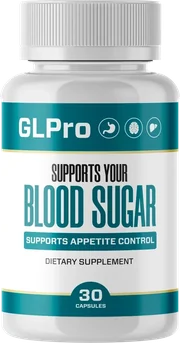
GLPro: from $49 a bottle30 capsules · 2, 3 or 6 bottles · free US shipping on 6 · 60-day money-back guarantee
See packs04Next steps
What should you do about low blood sugar after eating?
Write down when symptoms start, what you ate and any reading you can take. Bring that log to a doctor. Do not diagnose yourself from a list of signs.
- If you have a meter and feel low, check it. Below 70 mg/dL, take 15 to 20 grams of fast carbohydrate and recheck in 15 minutes (NIDDK, Low Blood Glucose).
- If you use insulin or a sulfonylurea, call your prescriber about repeated lows.
- Keep taking prescribed medicine unless a clinician changes it.
A doctor may suggest smaller, more frequent meals or a closer look for another cause. That is a medical plan, so follow the one you are given. A supplement is not part of it unless your clinician says so.
05Supplements
Can a blood sugar supplement stop reactive hypoglycemia?
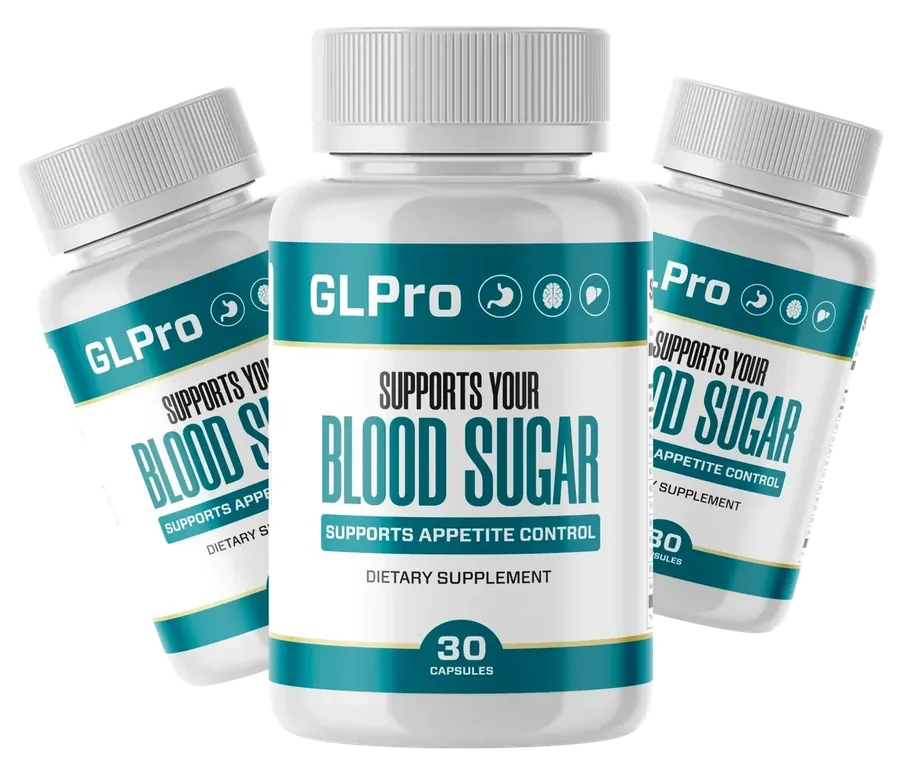
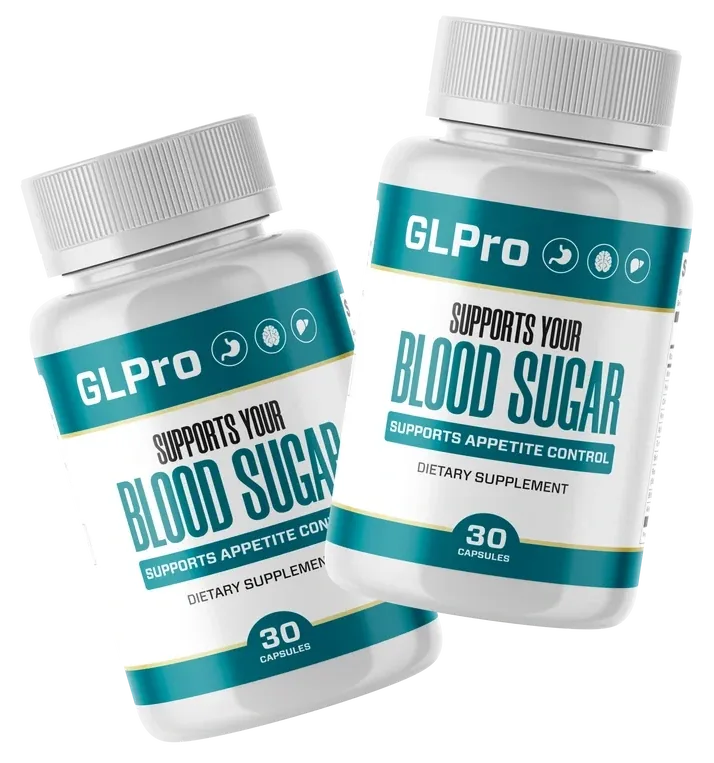
No supplement has been shown to prevent reactive hypoglycemia. The front of the GLPro bottle says "Supports Your Blood Sugar", but the sales page names no study and no ingredient list (GLPro sales page).
The American Diabetes Association does not recommend herbs or micronutrients for blood sugar benefit (ADA Standards of Care 2026, Health Behaviors). If your trouble is lows, a product sold for blood sugar is a poor place to start. Read the supplements and medicines guide and the blood sugar basics guide first.
U.S. stocking partner for GLPro
Ready to try GLPro?
Check your medicines first, then pick a pack. Six bottles ship free and cost the least per bottle, and every pack carries the 60-day money-back guarantee.
- Secure checkout
- 60-day money-back guarantee
- Ships from the U.S.
06FAQ
Reactive hypoglycemia questions, answered
Q01How long after eating does reactive hypoglycemia start?
It usually starts 2 to 4 hours after a meal. Timing alone does not prove it. A glucose reading taken while symptoms are present, ordered by a doctor, is how the diagnosis is made.
Q02Can you have reactive hypoglycemia without diabetes?
Yes. Clinical sources list reactive hypoglycemia among the reasons people without diabetes can have low blood sugar. If it keeps happening, see a doctor to look for a cause.
Q03Is a shaky feeling after lunch always low blood sugar?
No. Caffeine, stress and anxiety can cause the same shaking and racing heart. Only a measured glucose reading during the episode shows whether sugar was actually low.
Q04What can you eat to treat a reactive low?
If a meter shows a reading below 70 mg/dL, 15 to 20 grams of fast-acting carbohydrate is the standard first step, then a recheck in 15 minutes. Ask your clinician for a plan tailored to you.
07Who wrote this
Written and reviewed by
Pages built from the bottle images, the sales page and linked NIH, FDA, CDC, FTC and peer-reviewed sources.
Last updated . Read our editorial standards and how we check reviews. This website is run by a U.S. stocking partner for GLPro, not by the manufacturer. We earn money when you buy through our order links.
→Keep reading
More about GLPro
U.S. stocking partner for GLPro
Ready to try GLPro?
Check your medicines first, then pick a pack. Six bottles ship free and cost the least per bottle, and every pack carries the 60-day money-back guarantee.
- Secure checkout
- 60-day money-back guarantee
- Ships from the U.S.