Blog · Food basics
The Diabetes Plate Method: A Simple Way to Build a Meal Without Counting
The diabetes plate method is a visual way to plan meals without weighing food: fill half the plate with non-starchy vegetables, a quarter with protein and a quarter with carbohydrate foods. Carbohydrate has the biggest effect on blood sugar, so keeping that share small and steady helps. A dietitian can tailor it to you.
Written by the GLPro label deskUpdated · 4 min read

01The method
What is the diabetes plate method?
The diabetes plate method is a meal-planning shortcut that uses a standard dinner plate as a guide. You divide the plate by eye, so you do not need a scale or a carb count.
Half the plate holds non-starchy vegetables such as salad greens, broccoli, peppers or green beans. One quarter holds protein, such as fish, chicken, eggs, tofu or beans. The last quarter holds carbohydrate foods such as whole grains, potatoes, corn, fruit or starchy beans.
The method works because carbohydrate usually has the biggest effect on blood sugar, and portion size and food combinations matter (Mayo Clinic, lifestyle and blood sugar). A plate with a fixed carbohydrate share keeps that effect more predictable from meal to meal.
Dietitians like it because it works at home, in a restaurant or at a friend's table. The same picture travels anywhere, which makes the habit easier to keep.
02On the plate
How do you fill the plate step by step?
You fill it in order, vegetables first. That puts the biggest, lowest-carbohydrate share on the plate before anything else and leaves less room for the rest.
- Half: non-starchy vegetablesSalad greens, broccoli, peppers, green beans, tomatoes
- A quarter: lean proteinFish, chicken, eggs, beans, tofu
- A quarter: carbohydrate foodsWhole grains, starchy vegetables, fruit, dairy
- To drink: water or a zero-calorie drinkNot juice or regular soda
A simple way to build a meal, often called the plate method. Carbohydrates usually move blood sugar the most, and portion size and food combinations matter (Mayo Clinic, lifestyle and blood sugar); vegetables add fiber, which slows digestion (Harvard Nutrition Source, Fiber). It works with or without any supplement.
Half: vegetables
Choose colors and textures you will eat. Frozen counts.
Quarter: protein
Pick lean or plant-based options most days.
Quarter: carbohydrate
Favor foods with fiber, such as oats, brown rice and beans.
Add water or an unsweetened drink
Sweet drinks add carbohydrate that the plate does not show.
03Why it helps
Why does the plate method help with blood sugar?
The method helps because it raises fiber and protein while holding carbohydrate in check. Soluble fiber forms a gel that slows digestion and may blunt sharp rises after meals. Adults need at least 25 to 35 grams of fiber a day, and most get about 15 (Harvard Nutrition Source, Fiber).
| Plate share | Main role |
|---|---|
| Half: non-starchy vegetables | Fiber and volume with few carbohydrate grams. |
| Quarter: protein | Fullness. Little direct effect on glucose. |
| Quarter: carbohydrate foods | The share that moves blood sugar most (Mayo Clinic, lifestyle and blood sugar). |
| Drinks | Water or unsweetened options add no carbohydrate. |
It is not a treatment and it is not a promise of a number. It is a starting layout that a dietitian can adjust.

GLPro: from $49 a bottle30 capsules · 2, 3 or 6 bottles · free US shipping on 6 · 60-day money-back guarantee
See packs04Limits
When is the plate method not enough?
The plate method is not enough when your medicines need exact carbohydrate counts. People who take mealtime insulin often match doses to carbohydrate grams, so they need more detail than a plate gives.
It also leaves out portion size, since a large plate of the right shares is still a large meal. Pregnancy, kidney disease and other conditions change food advice, so ask a clinician or registered dietitian for a plan.
Keep taking prescribed medicine, and do not change a dose because you changed how you eat unless your prescriber says so.
Some meals do not fit a plate, such as soups, casseroles and sandwiches. Mentally sort the ingredients into the three groups, and use the same ratio as a rough guide.
05Supplements
Does a blood sugar supplement replace a balanced plate?
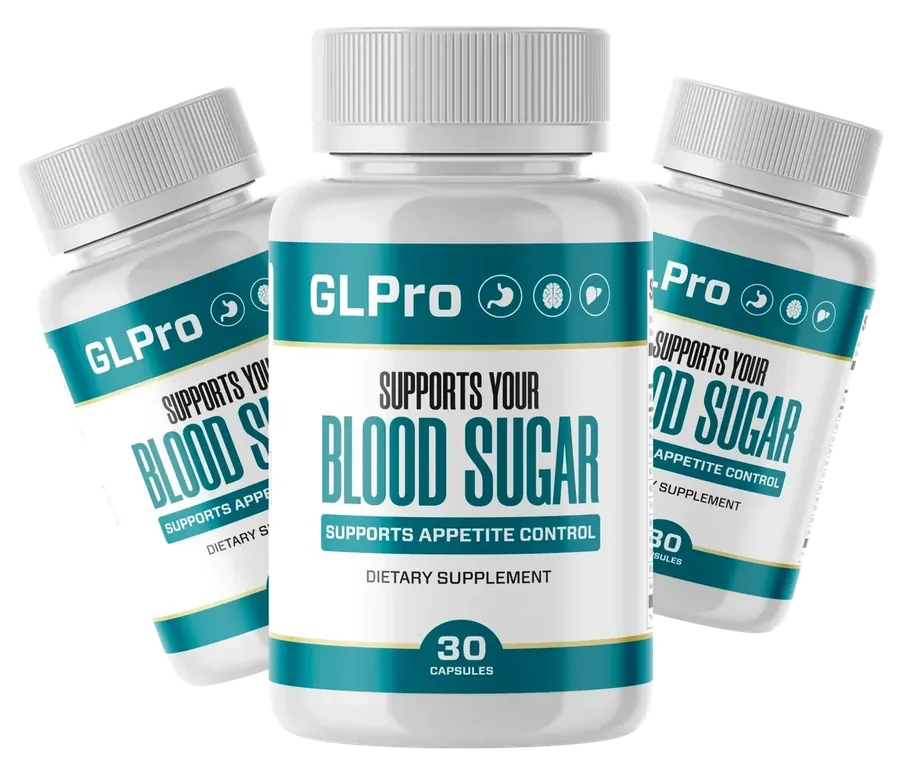
No supplement replaces the plate. The GLPro bottle front says "Supports Appetite Control", but the sales page cites no study and prints no ingredient list (GLPro sales page).
The NCCIH finds the evidence for supplements and blood sugar weak or inconsistent, and says they must not replace treatment (NCCIH, Diabetes and Dietary Supplements). Learn the eating basics in the appetite and satiety guide and compare the offer on the pricing page only after that.
If you try a product anyway, keep the plate habit going. A supplement with no published ingredient list gives you nothing to measure, while a plate gives you a repeatable habit you can see.
U.S. stocking partner for GLPro
Ready to try GLPro?
Check your medicines first, then pick a pack. Six bottles ship free and cost the least per bottle, and every pack carries the 60-day money-back guarantee.
- Secure checkout
- 60-day money-back guarantee
- Ships from the U.S.
06FAQ
Diabetes plate method questions, answered
Q01Is the plate method the same as counting carbs?
No. The plate method is a visual shortcut with no counting. Carb counting tracks grams and is common for people who dose mealtime insulin. Ask your care team which fits.
Q02What size plate should I use for the plate method?
A standard dinner plate of about 9 inches is the usual picture. Oversized plates make every share bigger, so a smaller plate is easier for portion control.
Q03Which vegetables count as non-starchy?
Leafy greens, broccoli, cauliflower, peppers, cucumbers, tomatoes, green beans and mushrooms are examples. Potatoes, corn and peas are starchy and belong in the carbohydrate quarter.
Q04Can I use the plate method for breakfast?
Yes, with some thought. Eggs with vegetables and a slice of whole-grain toast follow the pattern. Sweet cereals and pastries do not, as they are almost all carbohydrate.
Q05Does the plate method help with weight?
It can, because filling half the plate with vegetables adds volume with fewer calories. It is a layout, not a diet, and results depend on portions, activity and your wider plan.
07Who wrote this
Written and reviewed by
Pages built from the bottle images, the sales page and linked NIH, FDA, CDC, FTC and peer-reviewed sources.
Last updated . Read our editorial standards and how we check reviews. This website is run by a U.S. stocking partner for GLPro, not by the manufacturer. We earn money when you buy through our order links.
→Keep reading
More about GLPro



U.S. stocking partner for GLPro
Ready to try GLPro?
Check your medicines first, then pick a pack. Six bottles ship free and cost the least per bottle, and every pack carries the 60-day money-back guarantee.
- Secure checkout
- 60-day money-back guarantee
- Ships from the U.S.