Blog · Safety
Compounded Semaglutide Warning: What FDA Says and Why It Matters
Compounded semaglutide is a custom-made copy of a prescription drug, mixed by a pharmacy or sold by a less careful source. FDA does not review it for safety, effectiveness or quality before it is sold. FDA reports dosing errors that caused serious harm. GLPro is a capsule supplement and is not semaglutide.
Written by the GLPro label deskUpdated · 4 min read

01Definition
What is compounded semaglutide?
Compounded semaglutide is semaglutide prepared by a compounding pharmacy rather than made by the company that holds the drug's approval. It is a copy, mixed in vials or syringes, often at a different strength or with added ingredients.
Semaglutide itself is a prescription medicine for type 2 diabetes and for weight management in adults who qualify by body mass index (NIDDK, Rx obesity medicines). The approved versions come with tested doses and a patient leaflet.
A compounded version has none of that review. FDA states that it does not check unapproved GLP-1 products for safety, effectiveness or quality before they are marketed (FDA, unapproved GLP-1 drugs).
02The warning
What is the FDA warning about compounded semaglutide?
FDA warns that compounded and counterfeit GLP-1 products can cause serious harm. The agency lists dosing errors, doses above the labeled amount, and some hospital stays among the problems reported.
As of May 31, 2026, FDA had received 990 reports about compounded semaglutide and more than 730 about compounded tirzepatide. The agency says those counts are likely too low (FDA, unapproved GLP-1 drugs).
It also describes illegal online sales and vials marked "for research purposes" or "not for human consumption". A product with that wording is not meant for people to inject, whatever the seller says.
The safest route FDA names is a prescription filled at a state-licensed pharmacy. Problems go to MedWatch.
03Risk points
What goes wrong with compounded semaglutide?
Most problems fall into four groups: unit mix-ups, unknown strength, unknown purity and no follow-up. Each one is a gap the approved product does not have.
| Risk point | What it looks like | What to ask for |
|---|---|---|
| Unit mix-ups | Doses in units or milliliters, not milligrams | Dose written in milligrams, shown by a clinician |
| Unknown strength | No lab report for the vial | A named pharmacy and a lot number |
| Unknown purity | Extra ingredients not on the label | The full ingredient list |
| No follow-up | No prescriber checks side effects | A licensed prescriber who reviews you |
The common side effects of the approved drugs are nausea, vomiting and diarrhea, and low blood sugar is more serious with insulin or sulfonylureas (Cleveland Clinic, GLP-1 agonists). A wrong dose makes these worse.
Dose confusion is the most common story in the reports. A vial may be labeled in units, a syringe in markings, and a leaflet in milligrams. Someone who mixes them up can inject several times the intended amount. Ask the prescriber to show you the exact draw on the syringe, and write it down.
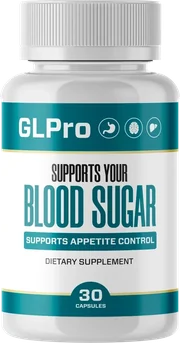
GLPro: from $49 a bottle30 capsules · 2, 3 or 6 bottles · free US shipping on 6 · 60-day money-back guarantee
See packs04Self-check
How is GLPro different from compounded semaglutide?
GLPro is a dietary supplement in capsules, 30 to a bottle. It is not semaglutide, not a compounded drug and not an injection. No ingredient list is published, so we cannot say what it contains.
That gap cuts both ways. We do not claim a hidden drug is inside, and nobody can show that none is. FDA has found drug ingredients that were not on the label in some weight-loss products sold as supplements (FDA, FATZorb hidden drugs).
Before you buy any product tied to GLP-1 talk, answer these six questions about yourself.
The tool is education, not medical advice. A clinician decides what fits you.
05Buying safely
How do you buy GLP-1 medicine safely?
Start with a prescriber, not a website. A licensed clinician checks your history, picks a medicine and a dose, and follows you after.
- Fill the prescription at a state-licensed pharmacy.
- Avoid vials sold for "research" and any seller that skips a prescription.
- Keep taking prescribed medicine unless your clinician tells you otherwise.
- Report a bad reaction to MedWatch.
If you would like to try a supplement alongside, read the supplements and medicines guide and tell your clinician first. The GLP-1 explained guide covers the hormone and the drugs.
U.S. stocking partner for GLPro
Ready to try GLPro?
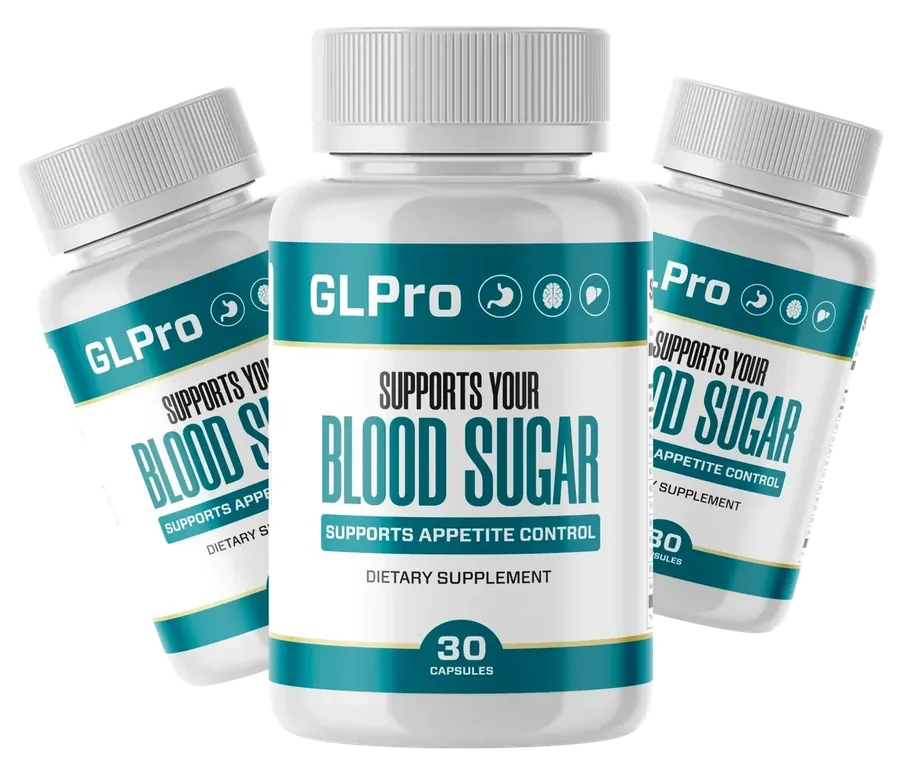
Check your medicines first, then pick a pack. Six bottles ship free and cost the least per bottle, and every pack carries the 60-day money-back guarantee.
- Secure checkout
- 60-day money-back guarantee
- Ships from the U.S.
06FAQ
Compounded semaglutide questions, answered
Q01Is compounded semaglutide FDA approved?
No. FDA does not approve compounded drugs and does not review them for safety, effectiveness or quality before they are sold. The approved semaglutide products are separate, branded medicines.
Q02Where do I report a problem with compounded semaglutide?
Report it to FDA through MedWatch. Include the product name, the pharmacy or seller, the dose you used and what happened. Call your clinician first if you feel unwell.
Q03Can a supplement be used instead of compounded semaglutide?
No trial shows that a supplement replaces a GLP-1 medicine. Talk to a prescriber about options, and do not swap or stop a prescribed medicine for a capsule.
Q04Does GLPro contain semaglutide?
Nothing published says so. GLPro's ingredients are not listed, and it is sold as a dietary supplement, not a drug. Read the bottle panel on arrival and call the order desk if anything looks wrong.
07Who wrote this
Written and reviewed by
Pages built from the bottle images, the sales page and linked NIH, FDA, CDC, FTC and peer-reviewed sources.
Last updated . Read our editorial standards and how we check reviews. This website is run by a U.S. stocking partner for GLPro, not by the manufacturer. We earn money when you buy through our order links.
→Keep reading
More about GLPro

U.S. stocking partner for GLPro
Ready to try GLPro?
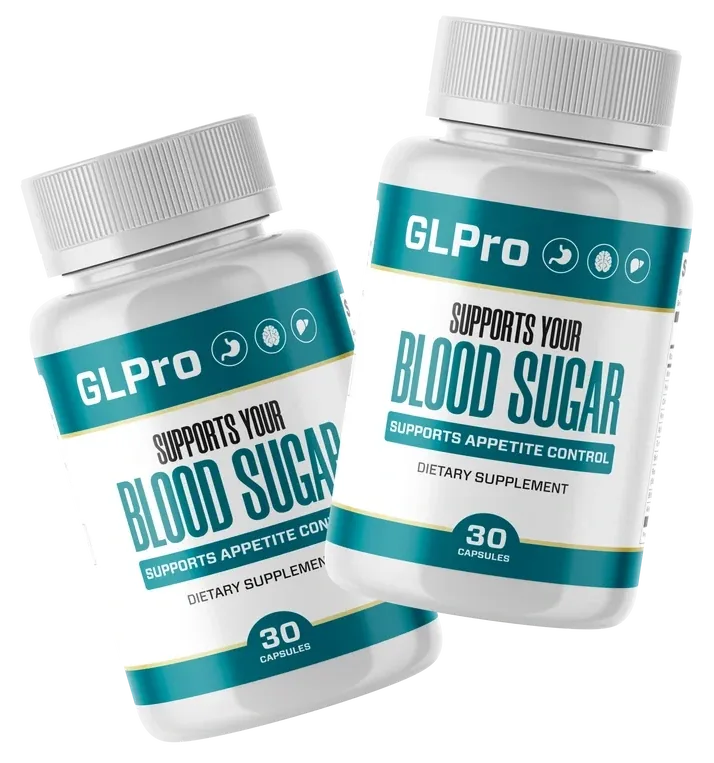
Check your medicines first, then pick a pack. Six bottles ship free and cost the least per bottle, and every pack carries the 60-day money-back guarantee.
- Secure checkout
- 60-day money-back guarantee
- Ships from the U.S.