Blog · Food basics
Carbohydrates and Blood Sugar: Why Carbs Move Glucose Most
Carbohydrates and blood sugar are closely tied: carbohydrate usually has the biggest effect on glucose after a meal, and portion size and food combinations matter. Protein and fat change blood sugar less. A steady carbohydrate pattern is easier to manage than a swing from very low to very high.
Written by the GLPro label deskUpdated · 4 min read
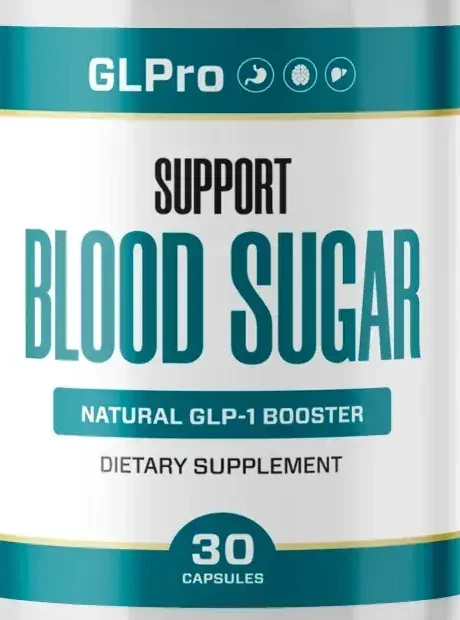
01The basics
How do carbohydrates affect blood sugar?
Carbohydrates affect blood sugar more than any other nutrient. The body breaks starches and sugars into glucose, which enters the blood and prompts insulin.
Both portion size and food combinations matter (Mayo Clinic, lifestyle and blood sugar). A small serving of oatmeal and a large serving of white rice are both carbohydrate, but they act differently on glucose because the amount and the company differ.
Protein and fat have less direct effect. They can slow the rise when eaten with carbohydrate, which is why a meal of mixed foods tends to be gentler than a plain bowl of starch.
This is why advice about blood sugar so often starts with food. Medicines and supplements are added to an eating pattern, not instead of one.
02The curve
What does a blood sugar rise after a carbohydrate meal look like?
A typical meal brings a rise, a peak and a slow return to baseline. The size of the peak depends on the carbohydrate load, what else is on the plate and how your body handles insulin.
MEAL RESPONSEILLUSTRATION · NOT GLPRO DATA
- 1Before the meal
Glucose sits near a steady baseline. A fasting reading of 99 mg/dL or below counts as normal for adults.
- 2After eating
Carbohydrates usually move blood sugar the most. Food in the gut releases GLP-1, an incretin hormone that boosts insulin release and slows stomach emptying.
- 3Back toward baseline
Insulin helps cells take glucose in, and the level falls back. Two hours into a glucose tolerance test, 139 mg/dL or below counts as normal.
A schematic, not measurements. Real curves vary with the meal, sleep, activity, stress and medicines. Sources: (Mayo Clinic, lifestyle and blood sugar) (NIDDK, GLP-1 story of discovery) (Cleveland Clinic, GLP-1 agonists) (NIDDK, Diabetes Tests & Diagnosis).
This animation is an illustration, not GLPro data and not your own numbers. Doctors read real results against set lines. Normal A1C is below 5.7%, prediabetes runs 5.7% to 6.4% and diabetes starts at 6.5% (NIDDK, Diabetes Tests & Diagnosis).
Remember that the same meal can give different results on different days. Sleep, stress, illness and activity all shift the response, so one reading is a snapshot and not a verdict.
03Steady habits
How can you keep carbohydrate intake steady?
Steady beats strict for most people. Even portions at regular times make daily glucose easier to predict, and easier for a clinician to read.
| Habit | Why it helps |
|---|---|
| Pair carbs with fiber, protein or vegetables | Slows the rise. Soluble fiber forms a gel that slows digestion (Harvard Nutrition Source, Fiber). |
| Keep portions similar day to day | Makes patterns visible in readings. |
| Choose whole foods over juice | Fiber stays in the food. |
| Move after eating | Muscles use glucose during activity (Mayo Clinic, lifestyle and blood sugar). |
The blood sugar basics guide covers testing numbers in more depth.
If you test at home, write down the meal next to each reading. After a week or two, patterns appear: which breakfast sits well, which dinner pushes the number up. Share the log with your care team and ask what the pattern means.

GLPro: from $49 a bottle30 capsules · 2, 3 or 6 bottles · free US shipping on 6 · 60-day money-back guarantee
See packs04With medicine
Do you need to match carbohydrate to diabetes medicine?
It depends on the medicine. Insulin and sulfonylureas such as glipizide, glimepiride and glyburide can cause lows if the dose is too large for the meal (Mayo Clinic, diabetic hypoglycemia).
If you take them, ask your care team how much carbohydrate to eat and when. Skipping a meal while taking the usual dose is a listed cause of lows.
Do not cut carbohydrate hard and keep the same dose. Never change medicine because of a diet change, a supplement or something you read.
The same care applies to alcohol and to long gaps between meals. Both can leave a person on these medicines with a low, so ask your prescriber for a written plan that covers them.
05Capsules
Can a capsule cancel out the carbohydrates you eat?
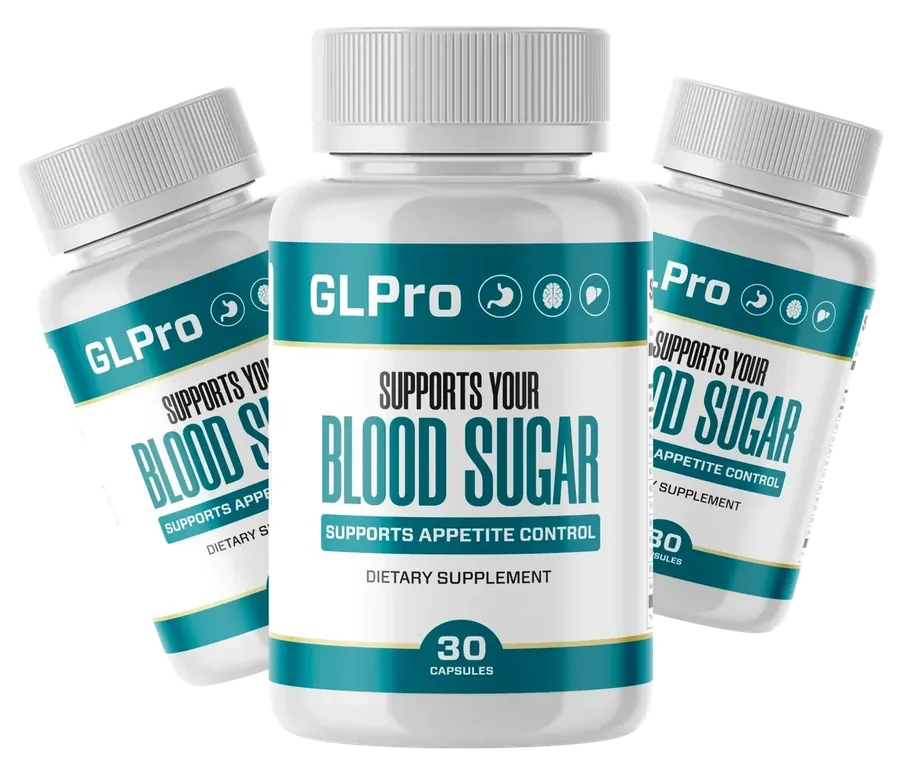
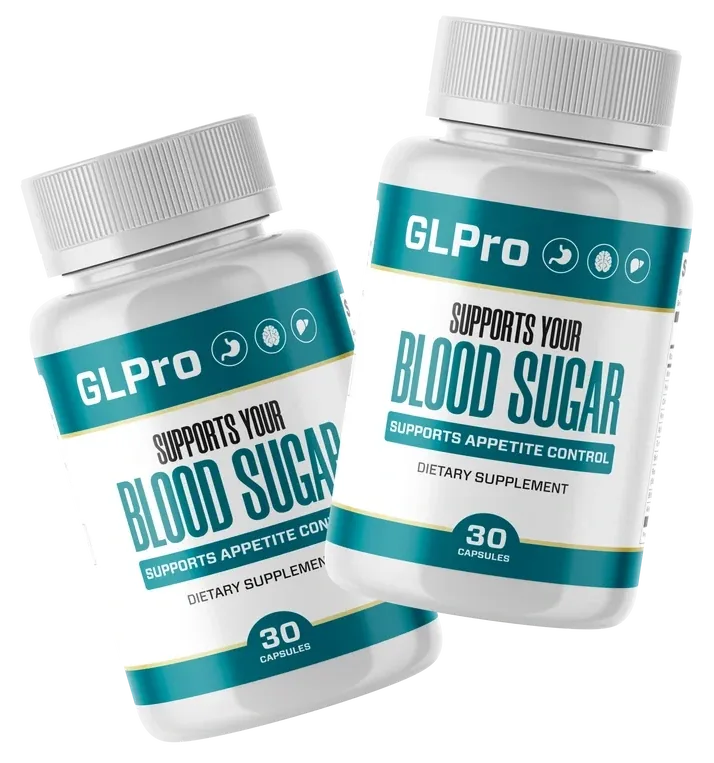
No capsule has been shown to cancel the effect of carbohydrate. The six-pack bottle reads "Natural GLP-1 Booster", yet no study backs that line and prescription GLP-1 medicines such as semaglutide are a different thing altogether (GLPro sales page).
FDA has found drugs hidden in products sold as supplements, especially those marketed for weight loss (NCCIH, Using Supplements Wisely). Check the supplement facts page before you buy anything.
U.S. stocking partner for GLPro
Ready to try GLPro?
Check your medicines first, then pick a pack. Six bottles ship free and cost the least per bottle, and every pack carries the 60-day money-back guarantee.
- Secure checkout
- 60-day money-back guarantee
- Ships from the U.S.
06FAQ
Carbohydrate questions, answered
Q01Are all carbohydrates bad for blood sugar?
No. Foods with fiber, such as beans, oats and vegetables, raise glucose more slowly than refined starch and sugar. Portion size and pairing matter as much as the type.
Q02How many carbs should I eat per meal?
No single number suits everyone. A care team or dietitian sets one from your medicines, activity and goals. The plate method is a no-counting way to keep the share steady.
Q03Do sugary drinks affect blood sugar faster than food?
Usually yes. Liquid sugar has no fiber or fat to slow it, so it is the sort of thing used to treat a low. For daily drinking, water is the safer pick.
Q04Does protein raise blood sugar?
Much less than carbohydrate. Protein can slow the rise from a mixed meal. It is not a stand-in for a care plan if you use mealtime insulin.
Q05Does the glycemic index matter?
It can help compare foods, but portion size and food pairings matter too, as the sources here note. A small serving of a high-index food can act differently from a large one.
07Who wrote this
Written and reviewed by
Pages built from the bottle images, the sales page and linked NIH, FDA, CDC, FTC and peer-reviewed sources.
Last updated . Read our editorial standards and how we check reviews. This website is run by a U.S. stocking partner for GLPro, not by the manufacturer. We earn money when you buy through our order links.
→Keep reading
More about GLPro


U.S. stocking partner for GLPro
Ready to try GLPro?
Check your medicines first, then pick a pack. Six bottles ship free and cost the least per bottle, and every pack carries the 60-day money-back guarantee.
- Secure checkout
- 60-day money-back guarantee
- Ships from the U.S.