Blog · Blood sugar basics
Blood Sugar Crash After Eating: Is It a Real Low or Just an Energy Slump?
A blood sugar crash after eating is the label people give to shaky, hungry or foggy feelings that follow a meal. Sometimes glucose has truly dropped, below 70 mg/dL. Often the cause is a normal post-meal slump, poor sleep or stress. A reading taken during the episode tells you which one it is.
Written by the GLPro label deskUpdated · 4 min read

01The basics
What is a blood sugar crash after eating?
A blood sugar crash is a plain-language term, not a diagnosis. It describes a sudden loss of energy, with shakiness, hunger, sweating or poor focus, that arrives after a meal.
After you eat, glucose rises and the body releases insulin to move it into cells. A smooth rise and fall leaves most people unaware of the process. A steep rise can be followed by a quick fall, and some people feel that fall strongly.
Only a measurement shows whether blood sugar is truly low. Many people with diabetes count a reading under 70 mg/dL as low (NIDDK, Low Blood Glucose). Feeling tired at 2 p.m. with a normal reading is a different problem with different answers.
People often use the word crash for any dip in energy, and that loose use is part of the confusion. Naming the feeling precisely, with a time and a number, makes it easier to get useful advice.
02The curve
Why does energy fall after a meal?
Energy often falls after a meal because digestion, insulin and normal daily rhythm all move at once. Large portions of quickly absorbed carbohydrate raise glucose faster, and carbohydrate usually has the biggest effect on blood sugar (Mayo Clinic, lifestyle and blood sugar).
The picture below is an illustration of a typical meal response, not data from GLPro or from you.
MEAL RESPONSEILLUSTRATION · NOT GLPRO DATA
- 1Before the meal
Glucose sits near a steady baseline. A fasting reading of 99 mg/dL or below counts as normal for adults.
- 2After eating
Carbohydrates usually move blood sugar the most. Food in the gut releases GLP-1, an incretin hormone that boosts insulin release and slows stomach emptying.
- 3Back toward baseline
Insulin helps cells take glucose in, and the level falls back. Two hours into a glucose tolerance test, 139 mg/dL or below counts as normal.
A schematic, not measurements. Real curves vary with the meal, sleep, activity, stress and medicines. Sources: (Mayo Clinic, lifestyle and blood sugar) (NIDDK, GLP-1 story of discovery) (Cleveland Clinic, GLP-1 agonists) (NIDDK, Diabetes Tests & Diagnosis).
Other causes matter just as much. Short sleep cuts insulin sensitivity by roughly a quarter in lab studies of healthy young adults (NIDDK, impact of poor sleep). Alcohol, illness, stress and some medicines can also change the way a meal lands (Mayo Clinic, lifestyle and blood sugar).
03Real or not
How can you tell a true low from a slump?
You can tell by measuring. A true low shows a low number on a meter or lab test at the moment you feel unwell. A slump shows a normal number or no number at all.
| Clue | Points toward a true low | Points toward a slump |
|---|---|---|
| Reading during symptoms | Under 70 mg/dL | In the normal range |
| Relief after fast sugar | Symptoms ease in minutes | No clear change |
| Timing | Often 2 to 4 hours after eating (Cleveland Clinic, Hypoglycemia) | Soon after a big meal |
| Other signs | Shaking, sweating, racing heart | Sleepy, heavy, unfocused |
Common causes of tiredness also include poor sleep, anemia, thyroid problems and sleep apnea (Mayo Clinic, Fatigue causes). A doctor can look for them.

GLPro: from $49 a bottle30 capsules · 2, 3 or 6 bottles · free US shipping on 6 · 60-day money-back guarantee
See packs04What helps
What can you do about a crash after meals?
Start by keeping a simple log for a week. Note the meal, the time symptoms begin, how long they last and any glucose reading.
- Pair carbohydrate with protein, fiber or vegetables instead of eating it alone.
- Keep portions steady from day to day.
- Protect sleep, since short sleep changes how the body handles glucose (NIDDK, impact of poor sleep).
- Take the log to a clinician if episodes repeat or you ever feel confused.
If you take insulin or a sulfonylurea, call your prescriber about post-meal lows. Keep taking prescribed medicine as directed. The glucose, energy and focus guide covers the daily rhythm in more depth.
Do not start a new supplement or cut whole food groups on a hunch. Change one thing at a time for a week or two, so you can see what made the difference and tell a clinician about it.
05Supplements
Will a blood sugar supplement stop post-meal crashes?
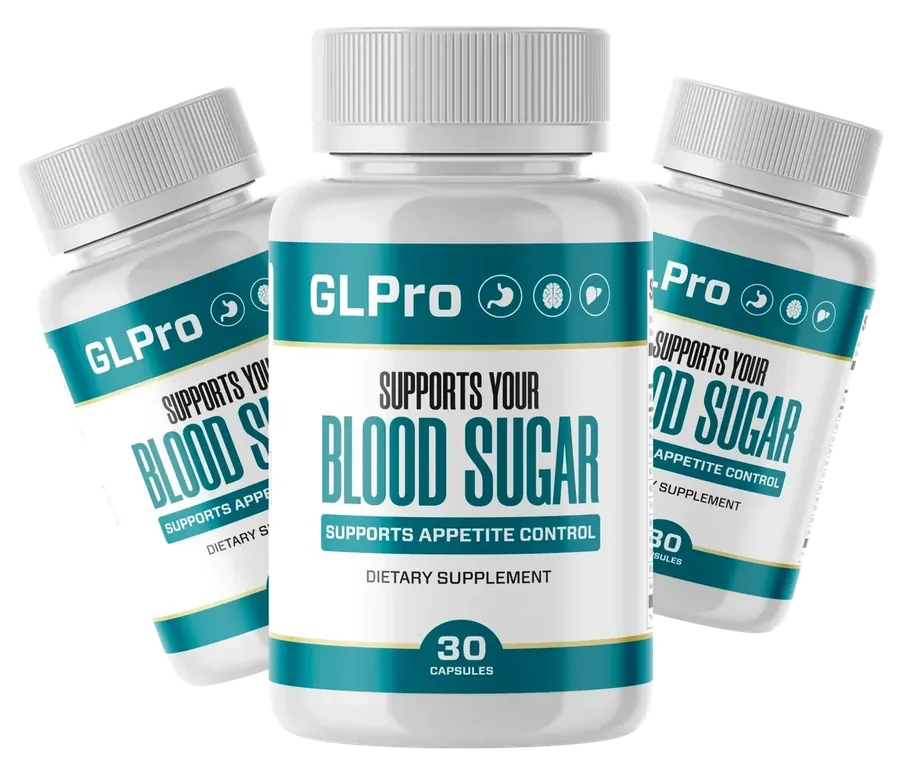
There is no proof that it will. The GLPro sales page promises to "Enhance your natural energy throughout the day" and cites no study of the capsules (GLPro sales page). The label gap matters too: no ingredient list, amounts or directions are published.
The NCCIH describes the evidence for supplements and blood sugar as weak or inconsistent, and says supplements should not replace treatment (NCCIH, Diabetes and Dietary Supplements). Fix the basics first, and see how the supplement facts check works if you still want to try one.
U.S. stocking partner for GLPro
Ready to try GLPro?
Check your medicines first, then pick a pack. Six bottles ship free and cost the least per bottle, and every pack carries the 60-day money-back guarantee.
- Secure checkout
- 60-day money-back guarantee
- Ships from the U.S.
06FAQ
Blood sugar crash questions, answered
Q01Is a blood sugar crash the same as hypoglycemia?
Not always. Hypoglycemia means a measured low, often under 70 mg/dL. A crash is a feeling, and it can come with a normal reading. Measuring during symptoms is how you tell them apart.
Q02Why do I get sleepy after lunch?
A big meal, short sleep, a warm room and the natural afternoon dip in alertness can all play a part. If sleepiness is heavy or daily, ask a doctor to check sleep, thyroid and blood counts.
Q03Can stress cause a crash feeling after eating?
Yes. Stress hormones can raise blood sugar and also cause shakiness and a fast heartbeat, so the feeling can mimic a low. A reading during the episode shows what is happening.
Q04Should I skip carbs to avoid a crash?
Not without medical advice. Carbohydrate is the main driver of post-meal glucose, but cutting it hard can cause its own problems. Adjusting portions and pairing foods is a gentler start.
07Who wrote this
Written and reviewed by
Pages built from the bottle images, the sales page and linked NIH, FDA, CDC, FTC and peer-reviewed sources.
Last updated . Read our editorial standards and how we check reviews. This website is run by a U.S. stocking partner for GLPro, not by the manufacturer. We earn money when you buy through our order links.
→Keep reading
More about GLPro

U.S. stocking partner for GLPro
Ready to try GLPro?
Check your medicines first, then pick a pack. Six bottles ship free and cost the least per bottle, and every pack carries the 60-day money-back guarantee.
- Secure checkout
- 60-day money-back guarantee
- Ships from the U.S.