Blog · Blood sugar basics
A1C Levels Chart: Normal, Prediabetes and Diabetes Ranges
A1C levels are read on a simple chart: below 5.7% is normal, 5.7% to 6.4% is prediabetes and 6.5% or above is in the diabetes range. A1C reflects your average blood sugar over the past two to three months. No GLPro data on A1C has been published.
Written by the GLPro label deskUpdated · 4 min read
01The chart
What is the A1C levels chart for adults?
The A1C chart sorts adults into three groups: normal below 5.7%, prediabetes from 5.7% to 6.4%, and diabetes at 6.5% or above (CDC, Diabetes Testing). The American Diabetes Association table uses the same cutoffs for non-pregnant adults (NIDDK, Diabetes Tests & Diagnosis).
A1C is a blood test that shows the share of hemoglobin carrying sugar. Because red cells live for about three months, it works as an average. It does not need fasting.
| Category | A1C | Fasting | 2-hour |
|---|---|---|---|
| Normal | Below 5.7% | 99 or below | 139 or below |
| Prediabetes | 5.7% to 6.4% | 100 to 125 | 140 to 199 |
| Diabetes range | 6.5% or above | 126 or above | 200 or above |
Each test looks at a different window. Fasting glucose is a snapshot after a night without food, the 2-hour test shows how you handle a sugar load, and A1C averages the months. Clinicians use them together because each can miss what the others catch.
Fasting and 2-hour values are in mg/dL (CDC, Diabetes Testing).
02Diagnosis
Is one A1C result enough to diagnose diabetes?
Usually not. A diagnosis needs an A1C of 6.5% or above plus another abnormal result, from the same or a different test, unless clear symptoms are present (ADA Standards of Care 2025, Diagnosis).
A1C can mislead in some cases, such as anemia or certain blood conditions, so clinicians may pair it with a fasting test. Treat one number as a signal, not a verdict, and ask your clinician how to read it alongside your history.
- Bring a list of every medicine and supplement you take.
- Ask whether the test should be repeated and when.
- Ask what range is a sensible target for you if you already have a diagnosis.
Screening is advised for adults aged 35 to 70 with overweight or obesity and no symptoms (USPSTF, prediabetes and T2D screening).
03What moves it
What affects your A1C level?
Food, movement, sleep, illness, stress and medicines all feed into A1C over weeks. Carbohydrates usually have the biggest effect on blood sugar, and activity helps muscles use it for hours afterward (Mayo Clinic, lifestyle and blood sugar).
Sleep matters too. After 4 to 5 days of short sleep, lab volunteers lost roughly a quarter to a third of their insulin sensitivity (NIDDK, impact of poor sleep).
Weight change helps many people, but pace counts. About 1 to 2 pounds a week is the gradual rate linked to keeping weight off (CDC, Steps for Losing Weight).
That is why a single food or pill rarely moves A1C on its own. The big levers are habits kept over months, plus treatment when a clinician prescribes it.
- Regular meals
Carbohydrates usually move blood sugar the most, so portions and food combinations matter. Steady meal times make readings easier to read.
- Activity most days
Muscles use blood sugar during activity, and the effect can last for hours. On insulin or some diabetes drugs, that can mean a low.
- Night: 7 to 8 hours
A few short nights cut insulin sensitivity by about a quarter in lab studies, and short sleepers have a higher risk of diabetes.
- Capsule: as the bottle directs
The directions are not published. Medicines stay on their own schedule.
Meals and activity from Mayo Clinic (Mayo Clinic, lifestyle and blood sugar); sleep from NIDDK (NIDDK, impact of poor sleep). No supplement replaces these habits.
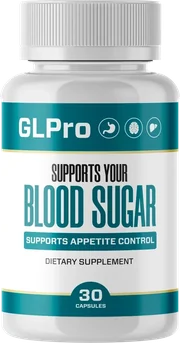
GLPro: from $49 a bottle30 capsules · 2, 3 or 6 bottles · free US shipping on 6 · 60-day money-back guarantee
See packs04Supplements
Can a supplement change your A1C?
No supplement is proven to change your A1C, and GLPro has no published data at all. The American Diabetes Association does not recommend herbs or micronutrients for blood sugar benefit (ADA Standards of Care 2026, Health Behaviors).
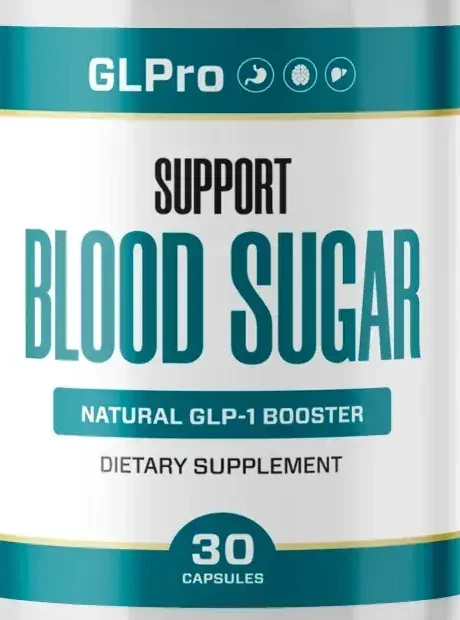
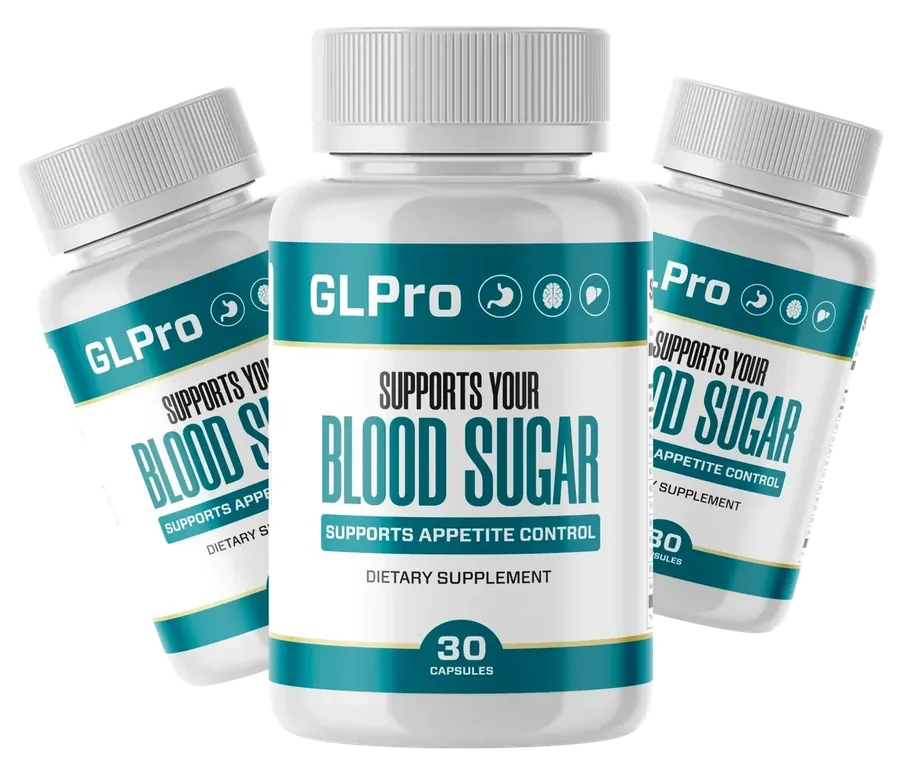
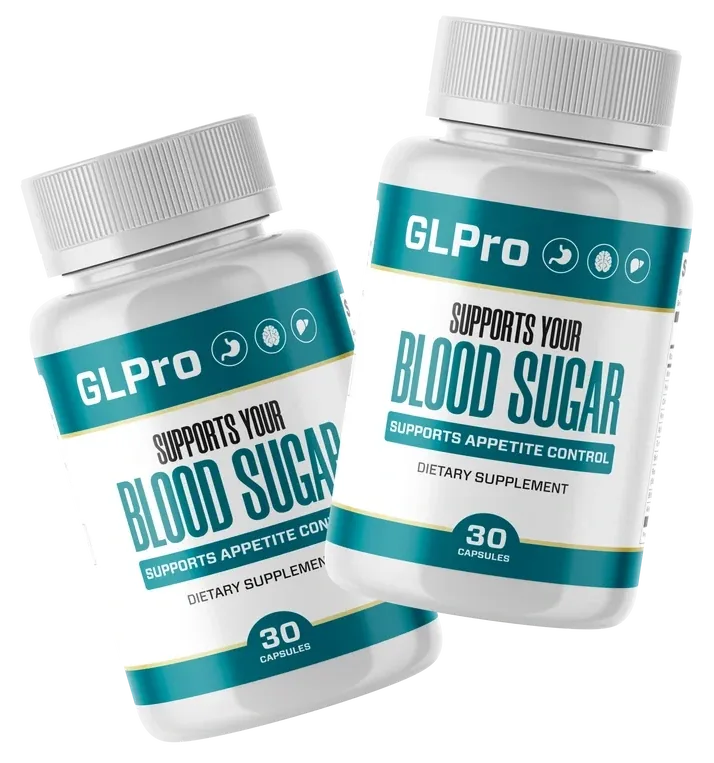
GLPro's front carries claims such as "Supports Your Blood Sugar". The sales page calls it "The #1 Blood Sugar Formula". Both are quoted claims with no study behind them, no ingredient names and no amounts. The is GLPro legit page lays out the audit.
Do not change a dose because of a supplement. A low can follow if herbs add to your diabetes drugs (Mayo Clinic, diabetic hypoglycemia).
05Next step
How often should you check your A1C?
Your clinician sets the schedule. Adults with normal results may be rechecked about every 3 years (USPSTF, prediabetes and T2D screening). People with prediabetes or diabetes are tested more often, commonly a few times a year.
Ask for a copy of each lab report. Dates, units and the lab name matter when you compare numbers across clinics.
Keep your results in one place and compare them over time. A trend tells you more than a single point.
If you try GLPro, read the bottle panel on arrival and use the 60-day money-back guarantee if the label is missing or unclear. The guarantee page explains the steps.
U.S. stocking partner for GLPro
Ready to try GLPro?
Check your medicines first, then pick a pack. Six bottles ship free and cost the least per bottle, and every pack carries the 60-day money-back guarantee.
- Secure checkout
- 60-day money-back guarantee
- Ships from the U.S.
06FAQ
A1C questions, answered
Q01What is a good A1C level?
For most adults without diabetes, below 5.7% is normal. People with diabetes often have personal targets set by their clinician, so ask what yours should be.
Q02Does A1C need fasting?
No. A1C reflects your average over two to three months, so you can have the test at any time of day. Fasting glucose is a separate test.
Q03Can A1C change in a month?
It shifts slowly, since it reflects about three months of blood sugar. Large changes in habits or treatment can still show over weeks.
Q04Does GLPro lower A1C?
No study shows that. The label is unpublished and the claims on the front are not test results. Talk to your clinician about any product before use.
07Who wrote this
Written and reviewed by
Pages built from the bottle images, the sales page and linked NIH, FDA, CDC, FTC and peer-reviewed sources.
Last updated . Read our editorial standards and how we check reviews. This website is run by a U.S. stocking partner for GLPro, not by the manufacturer. We earn money when you buy through our order links.
→Keep reading
More about GLPro


U.S. stocking partner for GLPro
Ready to try GLPro?
Check your medicines first, then pick a pack. Six bottles ship free and cost the least per bottle, and every pack carries the 60-day money-back guarantee.
- Secure checkout
- 60-day money-back guarantee
- Ships from the U.S.